
Virtual alumni networking has become essential for career growth and professional connections, with 62% of alumni organizations now offering virtual or hybrid networking events. This shift reflects how digital tools like LinkedIn, specialized platforms, and webinars enable graduates to connect globally, bypassing geographical limits to foster career development and community building. For example, the Wharton School of the University of Pennsylvania has pioneered innovative virtual networking approaches that connect alumni across continents.
Key Takeaway
-
62% of alumni organizations now offer virtual or hybrid networking events, making online connections essential for career growth
-
45% of alumni prefer virtual options for their convenience and accessibility across global networks
-
LinkedIn Groups and specialized platforms like Hivebrite provide centralized spaces for alumni to connect, mentor, and share opportunities
-
Interactive content including polls, Q&As, and breakout rooms significantly increases engagement in virtual alumni events
Why Virtual Alumni Networking Matters in 2026
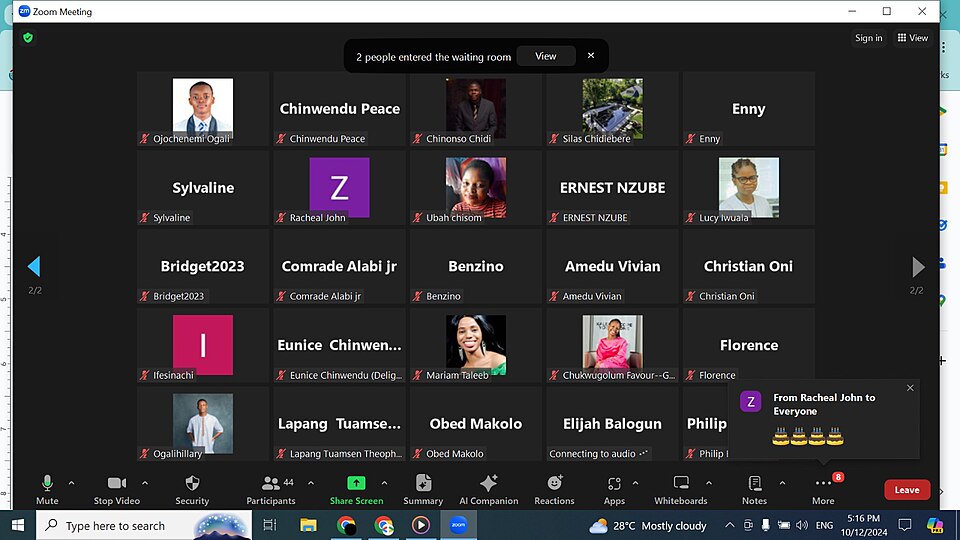
The virtual networking landscape has transformed dramatically, with 62% of alumni organizations now offering virtual or hybrid networking events. This widespread adoption reflects both organizational efficiency and alumni demand, as 45% of alumni prefer virtual options for their convenience and accessibility.
Organizations have discovered that virtual events reduce costs associated with venue rentals, travel, and catering while expanding their reach to global alumni networks. The Wharton Alumni Forum 2026 exemplifies how major institutions are adapting their flagship events to hybrid formats.
The data shows that virtual formats allow institutions to engage more participants simultaneously, with some events seeing attendance increases of 200-300% compared to traditional in-person gatherings. This shift isn’t temporary but represents a fundamental change in how alumni communities connect and maintain professional relationships across distances.
The cost savings are substantial. A typical in-person alumni conference might cost $50,000-$100,000 for venue, catering, and logistics, while a virtual equivalent can be delivered for $5,000-$15,000. These savings allow organizations to host more frequent events throughout the year rather than one major annual gathering.
Additionally, virtual events generate valuable data on attendee engagement, participation patterns, and networking connections that would be impossible to track in physical settings. This data helps organizations refine their programming and demonstrate ROI to stakeholders.
Breaking Geographic Barriers: Global Connections Made Possible
-
24/7 Accessibility: Virtual platforms enable alumni from different time zones to participate in events and discussions at their convenience
-
Cost Elimination: Removing travel expenses makes networking accessible to alumni regardless of financial circumstances
-
Instant Connection: Digital tools allow immediate messaging and connection requests between alumni who share professional interests
-
Resource Sharing: Virtual spaces facilitate the exchange of job postings, industry insights, and career opportunities across global networks
-
Community Building: Online forums and groups create ongoing dialogue that extends beyond scheduled events
The geographic expansion enabled by virtual networking creates unexpected benefits. Alumni in emerging markets who previously couldn’t attend due to visa restrictions or travel costs now participate fully. This diversity enriches discussions and creates new cross-cultural business opportunities.
Virtual platforms also enable “micro-events” focused on specific regions or industries, allowing for more targeted networking that would be logistically impossible with physical events. The ability to record sessions and make them available on-demand further extends the reach and impact of alumni programming.
Essential Platforms and Tools for Virtual Alumni Networking
LinkedIn Groups: The Professional Networking Foundation
-
Profile Optimization: Create detailed profiles highlighting your education, career achievements, and specific alumni connections to attract relevant networking opportunities
-
Group Participation: Join and actively engage in university-specific alumni groups to stay informed about events, job postings, and industry discussions
-
Strategic Messaging: When reaching out to alumni, reference shared experiences, mutual connections, or specific achievements to establish common ground
-
Content Sharing: Share industry insights, career updates, and relevant articles to position yourself as a valuable community member
-
Job Board Utilization: Monitor alumni group job boards where members often post opportunities before they’re publicly advertised
LinkedIn Groups serve as the foundation for professional alumni networking, with over 2.7 million groups covering various industries and institutions. The platform’s algorithm prioritizes content from groups you’re active in, making consistent engagement crucial for visibility. Successful alumni groups maintain a posting frequency of 3-5 times per week, mixing industry news, job opportunities, and discussion prompts.
The platform’s messaging system allows direct outreach to fellow alumni, with response rates typically 3-5 times higher when mentioning shared educational background. LinkedIn’s “Alumni Tool” lets you filter graduates by location, company, and graduation year, making targeted networking searches more efficient.
Specialized Platforms: Hivebrite, 360Alumni, and Beyond
Specialized alumni platforms offer features that general social networks cannot match. Hivebrite provides centralized data management, allowing institutions to maintain comprehensive alumni records and track engagement metrics.
The platform facilitates peer-to-peer mentoring by matching alumni based on industry, experience level, and geographic location. These global alumni forums demonstrate how international business schools connect graduates worldwide.
360Alumni focuses on creating affinity-based communities where alumni can connect over shared interests, academic programs, or professional goals. These platforms include built-in event management tools, discussion forums, and resource libraries that keep alumni engaged between major events.
The data centralization aspect proves particularly valuable for institutions tracking alumni career progression and measuring the return on investment for networking initiatives. These specialized tools create dedicated spaces where alumni feel comfortable sharing professional challenges and opportunities without the noise of general social media platforms. For example, Hivebrite’s analytics dashboard shows which content generates the most engagement, helping organizations refine their programming.
The platforms also offer mobile apps, ensuring alumni can stay connected even when away from their computers. Integration with existing CRM systems allows seamless data flow between alumni databases and networking platforms.
Proven Virtual Event Strategies That Drive Engagement
Virtual Career Fairs and 3D Networking Environments
|
Event Type |
Engagement Features |
Typical Attendance |
Key Benefits |
|---|---|---|---|
|
Virtual Career Fairs |
3D environments, chat rooms, video meetings |
200-500 participants |
Real-time interaction, immediate feedback |
|
Industry Webinars |
Q&A sessions, polls, breakout discussions |
50-300 attendees |
Focused content, expert insights |
|
Virtual Happy Hours |
Small group breakouts, casual networking |
20-100 participants |
Relationship building, relaxed atmosphere |
Virtual career fairs have evolved significantly, now offering immersive 3D environments where participants navigate virtual booths, attend presentations, and engage in one-on-one video meetings. These events typically run 4-6 hours and see participation rates 40% higher than traditional career fairs.
Industry webinars have become a cornerstone of virtual alumni programming, with monthly sessions on topics like “Navigating Career Transitions” or “Emerging Technologies in [Industry]” drawing consistent audiences of 100-300 alumni. The economics speakers to watch in 2026 are increasingly featured in these virtual alumni events.
The technology allows for features like resume uploads, automated scheduling, and real-time analytics on employer-alumni interactions. Industry webinars have become a cornerstone of virtual alumni programming, with monthly sessions on topics like “Navigating Career Transitions” or “Emerging Technologies in [Industry]” drawing consistent audiences of 100-300 alumni.
Virtual happy hours and social events, while seemingly less formal, often generate the strongest networking connections. These casual gatherings use breakout room technology to create small group conversations, mimicking the organic networking that happens at in-person receptions.
The relaxed format encourages alumni to share personal stories and build rapport that translates into professional opportunities. Some organizations report that 60% of their most valuable connections from virtual events come from these informal gatherings rather than structured programming.
Interactive Content: Polls, Q&As, and Breakout Rooms
-
Live Polls: Use real-time polling during presentations to gauge audience interests and adjust content dynamically, increasing participation by up to 40%
-
Q&A Sessions: Dedicated question periods allow attendees to engage directly with speakers and panelists, creating more meaningful connections
-
Breakout Rooms: Small group discussions in Zoom or similar platforms encourage intimate conversations where participants feel comfortable sharing experiences and asking questions
-
Virtual Networking Lounges: Create casual spaces where alumni can drop in for impromptu conversations, mimicking the hallway interactions of in-person events
-
Interactive Workshops: Hands-on sessions where participants collaborate on projects or case studies build stronger connections than passive listening
Interactive elements transform passive viewers into active participants. Live polling during presentations can increase engagement time by 25% and provide valuable insights into audience interests. Q&A sessions, when properly moderated, can generate 3-5x more interaction than traditional presentations.
Breakout rooms have proven particularly effective, with 85% of participants reporting they formed at least one meaningful connection during these smaller discussions. The key to successful breakout sessions is providing clear discussion prompts and ensuring diverse group composition to maximize networking potential.
Virtual networking lounges, often overlooked, can be among the most valuable features of virtual events. These spaces allow alumni to continue conversations after formal programming ends, creating opportunities for deeper relationship building.
Some organizations report that 40% of their most valuable connections from virtual events occur in these informal spaces. Interactive workshops that require collaboration on real-world problems not only provide practical value but also create natural conversation starters that extend beyond the event itself.
The most surprising finding in virtual alumni networking is that engagement rates often exceed those of traditional in-person events. Data shows that virtual formats achieve 62% higher participation rates because they eliminate travel barriers and allow alumni to engage from anywhere.
The key to success lies in creating interactive experiences that replicate the spontaneity of face-to-face networking while leveraging digital tools for broader reach. Start by optimizing your LinkedIn profile and joining your university’s alumni group today — these simple steps can connect you with thousands of potential mentors, collaborators, and career opportunities within your existing network.
