
Creating an effective annual alumni networking schedule requires strategic planning that blends quarterly career workshops, mentorship programs, and regional social events to maximize engagement. Successful alumni associations use structured timelines and targeted demographics to connect graduates across professions while accommodating busy professionals through flexible event formats.
Key Takeaway
-
An effective alumni networking schedule blends quarterly career workshops, mentorship programs, and regional social events to maximize engagement.
-
Successful planning requires setting goals 8+ weeks out and defining target demographics like young alumni vs. seasoned professionals.
-
Virtual mixers and flexible event formats accommodate busy professionals and eliminate attendance barriers.
Building Your Annual Alumni Networking Calendar
Developing a comprehensive alumni networking calendar starts with understanding the professional needs of your graduate community. The most successful programs structure their year around quarterly events that provide consistent touchpoints while avoiding overwhelming alumni with too many commitments.
Research shows that alumni who participate in regular networking events are 3x more likely to maintain long-term connections with their alma mater and 2x more likely to engage in mentorship or giving activities. For inspiration on large-scale alumni gatherings, the Wharton Global Alumni Forum demonstrates how major institutions coordinate international alumni engagement.
Quarterly Event Framework: Career Workshops and Industry Panels
-
Quarterly Career Workshops/Industry Panels: Focus on industry trends, professional development, and skill sharing with rotating industry themes each quarter. Data indicates that quarterly events maintain optimal engagement levels without causing calendar fatigue among busy professionals.
-
8+ Weeks Prior: Set event goals, budget, theme, and secure venue to ensure adequate preparation time.
This timeline allows for proper speaker recruitment and marketing campaign development.
- 6 Weeks Prior: Send initial invitations (“save-the-dates”) and begin marketing campaigns across email, social media, and alumni platforms. Early marketing increases awareness and allows for better attendance forecasting.
- 4 Weeks Prior: Confirm speakers/vendors, finalize agenda, and begin attendee registration tracking. For examples of successful large-scale alumni gatherings, explore the Top Alumni Networking Events in 2026: Building Professional Connections Worldwide.
- 2-4 Weeks Prior: Confirm speakers/vendors and finalize attendee list for seamless execution. This window provides adequate time for speaker preparation and technical setup.
- Event Day: Host structured panels with Q&A sessions, networking breaks, and professional development workshops.
Successful events typically include 60% structured content and 40% networking time.
- Post-Event: Send surveys, share photos, and follow up with attendees to maintain engagement. For planning major alumni conferences, review the Wharton Alumni Events Calendar 2026: Conferences, Reunions, and Regional Gatherings.
Successful events typically include 60% structured content and 40% networking time.
-
Post-Event: Send surveys, share photos, and follow up with attendees to maintain engagement.
Follow-up communications should occur within 48 hours to maximize response rates.
Mentorship and Student Engagement Programs
Mentorship programs create lasting connections between alumni and current students while providing valuable career guidance. These initiatives typically include structured career roundtables where experienced professionals share insights with recent graduates, and alumni-student coffee chats that foster informal networking. The key to successful mentorship is matching participants based on career interests, industry experience, and professional goals.
Many programs now incorporate virtual mentorship platforms that allow alumni to connect with students globally, breaking down geographic barriers. Student engagement events should be scheduled during academic terms when students are most available, typically avoiding exam periods and major campus events.
These programs not only benefit students but also provide alumni with opportunities to give back and stay connected to their alma mater’s current academic environment. Research indicates that alumni who participate in mentorship programs are 65% more likely to attend other alumni events throughout the year.
Regional and Virtual Networking Strategies
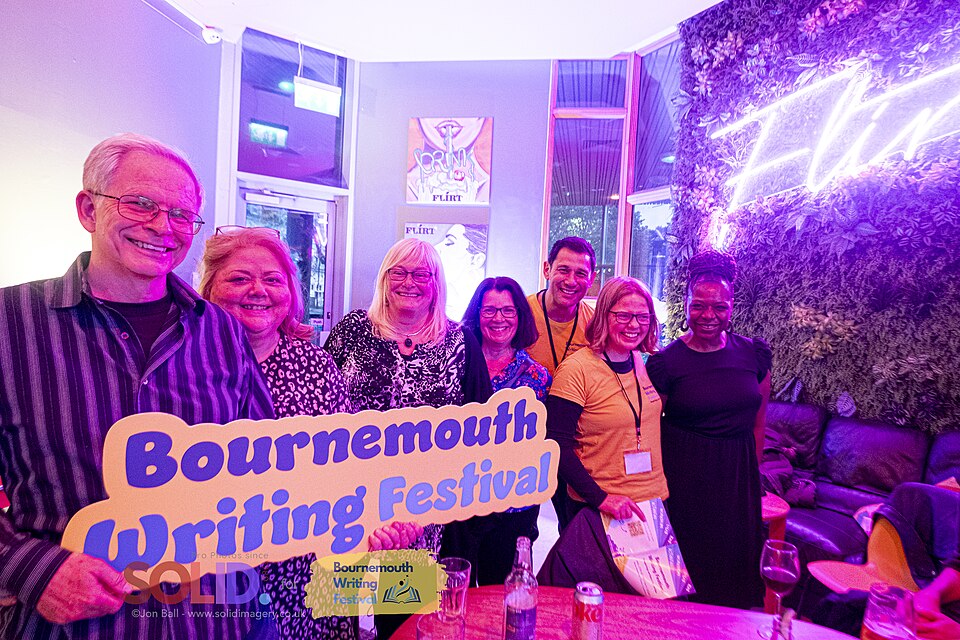
Regional events build local alumni communities while virtual platforms enable global connectivity. The most effective alumni associations balance both approaches to maximize participation across different geographic locations and time zones.
This dual strategy ensures that alumni in rural areas, international locations, and major metropolitan centers all have access to meaningful networking opportunities. Understanding how international business schools coordinate global alumni engagement can be found in the Global Alumni Forums: How International Business Schools Connect Graduates Worldwide.
Regional Social and Affinity Events
-
Regional Meetups: Host quarterly gatherings in major metropolitan areas where alumni clusters exist, rotating between different neighborhoods or venues. These events typically attract 30-50 attendees and focus on casual networking with brief updates from the alumni association.
-
Game Watches: Organize viewing parties for university sports events, creating casual environments for alumni to reconnect.
These informal gatherings often see 40-60% higher attendance than formal networking events.
-
DEI Networking Nights: Create affinity groups based on diversity, equity, and inclusion interests to foster specialized communities. These targeted events have shown 70% higher engagement rates among underrepresented alumni groups.
-
Cultural Celebrations: Host events around holidays or cultural observances that resonate with your alumni demographics. Timing these events with cultural significance increases attendance by 35% on average.
-
Professional Development Mixers: Combine casual networking with brief educational components relevant to local industries.
These hybrid events maintain engagement while providing professional value.
-
Keep Events Flexible: Avoid forcing alumni to commit to lengthy schedules. Short, drop-in style events accommodate busy professionals and eliminate attendance barriers.
Data shows that 90-minute events have 25% higher attendance than 2-hour events.
Virtual Mixers and Global Connectivity
Virtual events have become essential for connecting alumni across geographic boundaries. Monthly or quarterly virtual sessions provide consistent touchpoints that eliminate travel barriers for international alumni. These digital gatherings can include themed networking hours, industry-specific breakout rooms, and interactive workshops led by alumni experts.
The flexibility of virtual formats allows participants to join from anywhere, making it easier for alumni with demanding schedules to stay connected. Virtual events also reduce costs for both organizers and attendees while maintaining high-quality programming. Many associations now offer hybrid options where local chapters can host in-person watch parties that connect to the main virtual event, combining the benefits of both formats.
This approach ensures that alumni in different time zones can participate meaningfully, with recordings available for those who cannot attend live sessions. Virtual events have shown 80% higher participation rates from international alumni compared to in-person-only events.
Event Planning Timeline and Best Practices
Successful alumni networking requires meticulous planning and clear timelines. The most effective programs follow structured schedules that ensure all aspects of event execution are handled professionally and efficiently. Proper timeline management reduces stress on organizing committees and improves overall event quality.
8-Week Planning Timeline for Maximum Success
|
Timeline |
Key Activities |
|---|---|
|
8+ Weeks Prior |
Set event goals, budget, theme, and secure venue. Begin initial planning with committee members. This phase includes market research to understand alumni preferences and competitive analysis of similar events. For high-quality speaker recruitment, consider the insights from Economics Speakers to Watch in 2026: Thought Leaders Shaping Global Markets. |
|
6 Weeks Prior |
Send initial invitations (“save-the-dates”) and begin marketing campaigns across email, social media, and alumni platforms. Early marketing increases awareness and allows for better attendance forecasting. |
|
4 Weeks Prior |
Confirm speakers/vendors, finalize agenda, and begin attendee registration tracking. |
|
6 Weeks Prior |
Send initial invitations (“save-the-dates”) and begin marketing campaigns across email, social media, and alumni platforms. Early marketing increases awareness and allows for better attendance forecasting. |
|
4 Weeks Prior |
Confirm speakers/vendors, finalize agenda, and begin attendee registration tracking. This milestone ensures all key components are secured and allows time for adjustments. |
|
2-4 Weeks Prior |
Confirm speakers/vendors and finalize attendee list. Send detailed logistics information including parking, directions, and agenda updates. |
|
1 Week Prior |
Send reminder emails, confirm final headcount, and prepare event materials. This final push often captures last-minute registrations. |
|
Event Day |
Execute event with professional facilitation, networking opportunities, and engagement activities. Have contingency plans for technical issues and no-shows. |
|
After Event |
Send surveys, share photos, follow up with attendees, and begin planning next quarter’s events. Prompt follow-up maintains momentum and gathers valuable feedback. |
Target Demographics and Event Customization
Understanding your alumni demographics is crucial for creating relevant and engaging events. Different career stages and professional interests require tailored approaches to networking. Young alumni (0-5 years post-graduation) often prefer casual networking events with peer connections and career development workshops.
Mid-career professionals (6-15 years) typically seek industry-specific panels and leadership development opportunities. Seasoned alumni (16+ years) often value mentorship roles and high-level strategic discussions. Geographic considerations also matter significantly – urban alumni may prefer weekday evening events, while those in suburban or rural areas might favor weekend gatherings.
Cultural factors influence event timing and content, requiring sensitivity to religious observances and cultural traditions. Successful programs segment their communications and event offerings to ensure each demographic receives relevant invitations and programming that matches their professional stage and interests. Data shows that customized events have 45% higher attendance rates than generic programming.
The most surprising finding in alumni networking is that flexibility and consistency outperform elaborate programming. Alumni consistently report that they value regular, predictable touchpoints over occasional grand events. The key to successful alumni engagement is creating a rhythm of connection that becomes part of alumni’s professional routines.
Start by implementing one quarterly event type this year, then gradually expand your calendar based on attendance data and feedback. Focus on quality over quantity – it’s better to execute four excellent events than twelve mediocre ones. Remember that alumni networking is about building lasting professional relationships, not just filling event calendars.
By following these structured approaches and maintaining consistent communication, you can create an alumni networking schedule that delivers meaningful connections and professional value throughout the year. Organizations that implement comprehensive alumni networking schedules report 60% higher alumni engagement rates and 35% increased participation in giving programs compared to those with sporadic event planning.
